
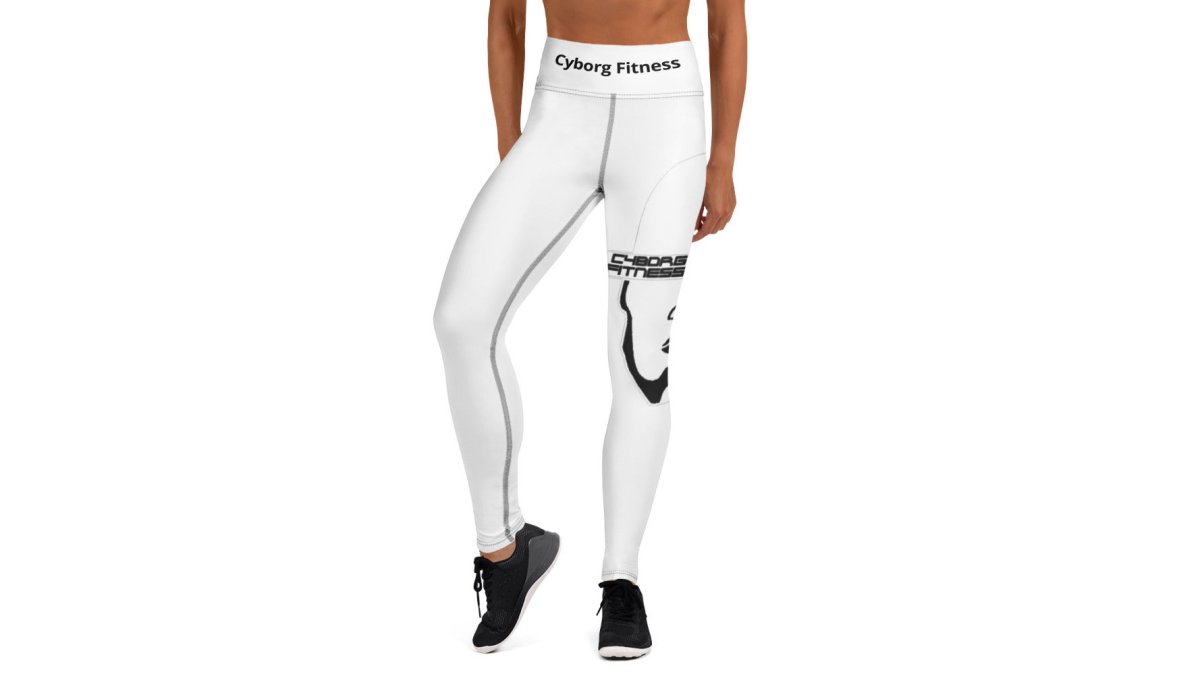
 comparison
Are Expensive Leggings Worth It? A 2026 Review
Table of Contents
- What Makes Leggings Expensive? The Real Cost Drivers
- The Cost-Per-Wear Test: When Expensive Leggings Pay Off
- Best Performance Leggings for Heavy Lifting: What to Look For
- How to Care for High-Quality Leggings So They Last
- The Verdict: Are Expensive Leggings Worth It for You?
- Conclusion
- Frequently Asked Questions
Last Updated: September 21, 2026
What Makes Leggings Expensive? The Real Cost Drivers
The price gap between a $15 pair and a $49 pair comes down to three things: fiber content, construction method, and fabric finishing. All three directly affect how long the leggings survive.

- Fiber quality: Cheaper leggings lean on high polyester counts with minimal spandex. More elastane means better elasticity and shape retention.
- Fabric weight: Heavier fabric, measured in grams per square meter, resists sheering out and holds compression longer.
- Stitching: Flatlock and coverstitch seams cost more to produce but prevent chafing and seam failure.
- Print method: All-over print designs require different production than solid dyes, which affects both durability and price.
Fabric Technology and Fiber Blends
Blends matter more than any single fiber. A 74% recycled polyester and 26% elastane mix, like what CYBORG WEAR uses in some of its leggings, delivers four-way stretch that recovers on both grains. Cheaper alternatives skip the spandex needed for real recovery: they feel fine in the store and bag out after a month.
Construction Details That Raise the Price
Gussets, flatlock stitching, and double-layered waistbands add cost but solve real problems. A triangle gusset, found in the Cyber-Stitch Pocket Leggings and Crossover Leggings, reduces seam stress during squats and lunges.
The Cost-Per-Wear Test: When Expensive Leggings Pay Off
Cost-per-wear is the price of the leggings divided by the number of times you wear them before they fail. It is the only honest way to compare a $15 pair against a $49 pair, because sticker price tells you nothing about how many workouts you get before the fabric gives out. Three variables drive the result:
- Wash frequency: Washing after every wear instead of every 2-3 wears roughly doubles the number of wash cycles per year, and each cycle is where elastane loses recovery.
- Drying method: Machine drying on medium or high heat is the single fastest way to destroy spandex. Air-drying can add months of usable life at zero cost.
- Fabric weight and elastane percentage: A heavier knit with a higher elastane content resists pilling and bagging longer, which pushes the denominator (total wears) up.
| Leggings | Price | Realistic Wear Life | Cost Per Wear |
|---|---|---|---|
| Budget pair | $15 | 3-4 months | $0.94-$1.25 |
| Mid-range pair | $39 | 12-18 months | $0.33-$0.54 |
| CYBORG WEAR Leggings | $39 | 18-24 months | $0.25-$0.36 |
| CYBORG WEAR Cyber-Stitch Pocket Leggings | $49 | 24+ months | $0.31-$0.40 |
The Break-Even Wear Count
The break-even point between a budget pair and a premium pair sits around 40-50 wears. Below that, the budget pair wins on pure dollars. Above it, the premium pair wins on cost-per-wear, fit consistency, and how the fabric behaves under sweat and repeated washing. If you train four times a week and wash after every session, you hit 40 wears in about ten weeks, the point where a $15 pair that has already started pilling costs more per wear than a $49 pair that still holds compression.
What Actually Kills Wear Life
Three failure modes account for most premature legging deaths:
- Pilling: Friction against rough surfaces (concrete, velcro, abrasive gym equipment) pulls fibers to the surface. Higher fabric weight and tighter knit structure resist this.
- Elastane fatigue: Heat from the dryer breaks down spandex fibers. Once they are gone, the leggings bag out permanently and no amount of washing brings them back.
- Seam failure: Flatlock and coverstitch seams distribute stress better than standard serged seams, which is why they survive repeated squatting and lunging without splitting.
When the Premium Pair Is Not Worth It
Cost-per-wear favors quality only when you wear the garment enough to amortize the price. If you train once a week, or rotate through a large drawer so each pair sees light use, a budget pair can genuinely be the smarter buy. The premium pair is the better decision only when your wear count crosses the break-even line. That is the honest answer to whether expensive leggings are worth it: it depends on how many times you will realistically wear them, and whether the fabric holds up long enough to get there.
Best Performance Leggings for Heavy Lifting: What to Look For
Heavy lifting demands more than yoga or running: the fabric has to stay opaque under tension, resist slipping at the waistband, and hold compression through repeated deep squats. The best performance leggings for heavy lifting combine high elastane content, a high-rise waist, and a gusset.
Look for these specs before you buy:
- Elastane content of 20% or higher for real compression and recovery
- Fabric weight above 230 g/m² to resist sheering under load
- High-rise waistband that stays put when you hinge at the hip
- Triangle gusset to reduce seam stress at the crotch
- Flatlock stitching so seams don't dig in during heavy sets
Compression, Opacity, and Squat-Proof Fabric
Squat-proof comes down to fabric weight and opacity, not marketing language. A heavier knit with a tight weave blocks light transmission better than a thin, stretchy fabric that goes sheer the moment it stretches. The standard test: put the leggings on, squat deep in front of a mirror under bright light, and check for transparency at the hip and glute.
How to Care for High-Quality Leggings So They Last
Care is the variable most buyers ignore, and it decides whether expensive leggings actually deliver their cost-per-wear advantage. Two forces do the damage: heat and friction. Both are avoidable, and avoiding them is the difference between a pair that lasts 18 months and one that lasts six.
Why Heat Destroys Elastane
Elastane (spandex) gives performance leggings their stretch and recovery, and it is the most heat-sensitive fiber in the blend. Repeated dryer heat causes the polymer chains to lose their ability to snap back, which is why leggings that were once compressive start to bag at the knees and waist after a few months of hot drying. Washing cold and air-drying preserves the elastane, the highest-leverage care decision you can make.
Why Friction and Detergent Matter
Friction pulls fibers to the surface, showing up as pilling and white fiber pulls on dark or printed fabric. Fabric softener leaves a waxy coating on synthetic fibers that blocks moisture-wicking and traps odor, so skip it entirely on performance fabric.
- Turn leggings inside out before washing to protect the print surface and reduce surface friction
- Wash cold on a gentle cycle with like fabrics, no zippers or velcro that can snag
- Skip fabric softener, which coats the fibers and reduces moisture-wicking
- Avoid the dryer entirely; hang or lay flat to dry
- Wash after every 2-3 wears, not every single wear, to reduce wash cycles
- Keep away from rough surfaces like concrete or velcro straps, which pull white fibers
A Simple Wash-Cycle Budget
Think of each pair as having a finite number of wash cycles before performance degrades. Leggings typically hold peak compression for roughly 50-75 cold-water wash cycles, then gradually lose recovery. Wash after every wear and you burn through that budget in under a year; wash after every 2-3 wears and air-dry, and the same pair stretches it across two years or more.
Extending Life Beyond the Wash
A few habits outside the laundry room matter too. Rotate between two or three pairs so each gets recovery time between wears. Avoid sitting on abrasive surfaces like concrete or textured gym benches. When you notice the first signs of pilling, adjust your care routine rather than replacing the pair, pilling is surface-level and does not mean the compression is gone.
The Verdict: Are Expensive Leggings Worth It for You?
Yes, if you train more than twice a week and care about how your gear performs under load. No, if you're buying leggings for occasional wear and don't mind replacing them every few months.
Three factors tip the decision:
- Workout intensity: Heavy lifting, HIIT, and cross-training demand more from fabric than walking or light yoga
- Wash frequency: If you're washing after every wear, cheaper leggings degrade faster
- Fit priorities: If slipping waistbands and sheer fabric ruin your focus, construction quality matters more than price
Conclusion
Choosing between budget and premium leggings isn't about brand loyalty. It's about how many wears you'll realistically get and whether the fabric holds up to your training. Cost-per-wear math favors quality past 40-50 wears, a threshold that arrives fast for anyone training several days a week.
Frequently Asked Questions
Do expensive leggings really last longer than budget options?
They often do, but it depends on fabric and construction. High-end leggings typically use denser, four-way stretch fabrics and reinforced seams like flatlock stitching, which resist pilling and shape loss. Budget pairs may use thinner materials that break down faster. The key is cost-per-wear: a $40 pair worn 100 times costs $0.40 per wear, while a $20 pair worn 30 times costs $0.67 per wear. So the upfront price isn't the whole story.
What features should I look for in performance leggings for heavy lifting?
Prioritize opacity (the squat test), a high-rise waistband that stays put, and a gusset for comfort. Look for four-way stretch, moisture-wicking fabric, and flatlock seams to prevent chafing. Compression level matters too: mild compression supports muscles without restricting movement. For heavy lifting, avoid thin fabrics that go sheer under strain. Check the fabric weight and composition; a blend with at least 20% elastane or spandex holds shape better.
How do I care for high-quality leggings to make them last?
Wash them inside out in cold water on a gentle cycle, and avoid fabric softener, which clogs performance fibers. Skip the dryer; air dry flat or hang to prevent heat damage and elasticity loss. Use a mesh laundry bag to protect seams and prints. Also, avoid rough surfaces like concrete or Velcro, which can snag the fabric. Following these steps can extend the life of your leggings significantly, improving their cost-per-wear.
Are expensive leggings worth it for everyday wear, not just the gym?
Yes, if you want versatility. High-quality leggings often have a flattering cut, high-rise waist, and opaque fabric that works for casual outfits. Features like moisture-wicking and UPF 50+ protection add value beyond workouts. However, if you only wear leggings for low-impact activities, a mid-range pair may suffice. The decision hinges on how often you'll wear them and whether you value durability and style retention over the lowest upfront cost.
What makes leggings expensive in the first place?
The price reflects fabric technology, construction, and brand overhead. Performance fabrics like recycled polyester and elastane blends cost more than basic cotton. Details like flatlock stitching, gussets, and precision cutting add labor costs. Plus, ethical manufacturing and quality control raise the price. Expensive leggings also invest in design and fit testing. So when you pay more, you're often paying for durability, comfort, and a better fit, not just a label.