 listicle
Best Accessories to Complete a Techwear Outfit
Table of Contents
- Quick Picks: Techwear Accessories Comparison
- What Defines the Techwear Aesthetic
- Headwear and Tactical Caps for a Clean Silhouette
- Functional Bags and Modular Gear for Daily Carry
- How a Tactical Chest Rig Fits Into Techwear Layering
- Techwear Belt Systems and Utility Straps Explained
- Maintenance and Care for Technical Fabrics
- Conclusion: Building Your Complete Techwear Loadout
- Frequently Asked Questions
Last Updated: October 4, 2026
Quick Picks: Techwear Accessories Comparison
The best accessories to complete a techwear outfit solve a real problem while holding the silhouette.
| Accessory | Price | Material | Best For |
|---|---|---|---|
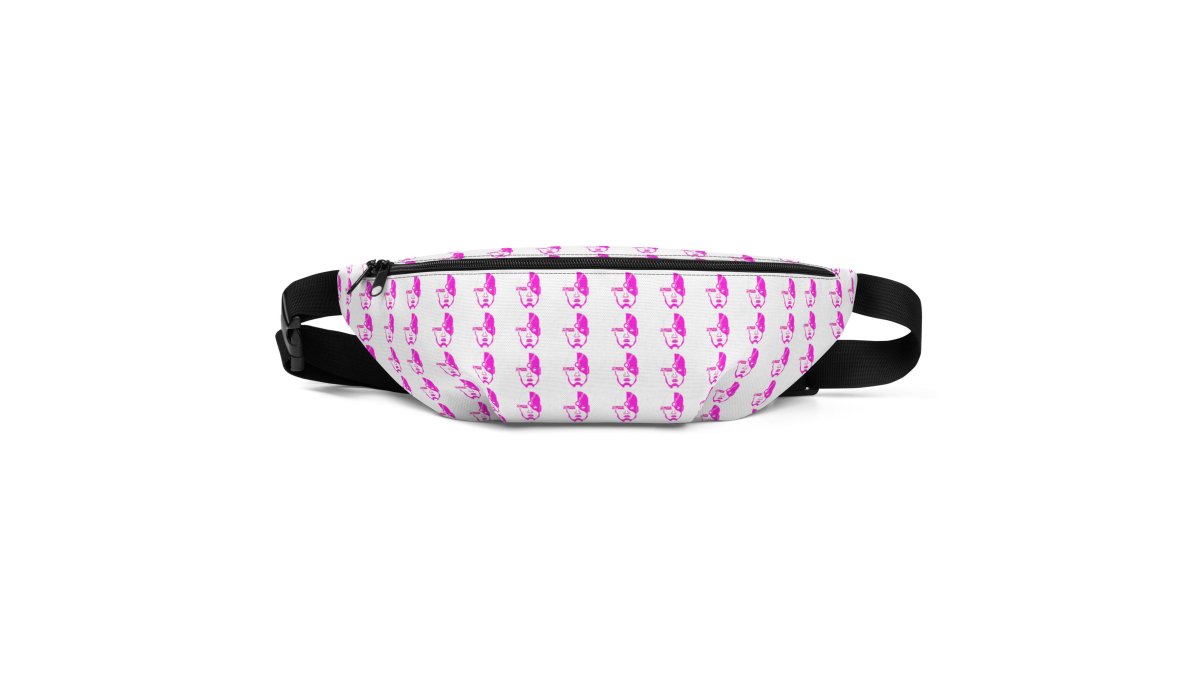
| Fanny Pack | $36.00 | 100% polyester, water-resistant | Hands-free daily carry |
| Backpack | $47.00 | 100% polyester, water-resistant | Commuting with a 15" laptop |
| CW Monogram Cap | $30.00 | Poly-cotton-spandex twill | Clean, structured headwear |
| Reversible Bucket Hat | $34.50 | 100% polyester, moisture-wicking | Two looks in one piece |
| Soft Shell Vest | $35.66 | Polyester shell, microfleece lining | Wind and light rain layering |
| Snapback Hat | $34.50 | Acrylic-wool blend | High-profile streetwear shape |
That table is the fast answer. The rest explains why each piece earns its place.


What Defines the Techwear Aesthetic
Techwear is built on function first: weather-resistant fabrics, modular storage, and a close, layered silhouette. It reads as futuristic because the construction is practical, not decorative.
Three things separate real techwear from costume:
- Technical fabrics that handle rain and wind, often with a durable water-repellent finish
- Hardware and straps you can adjust, remove, or reposition
- A tight color and shape palette so layers stack without bulk
Color matters more than most people expect. Black, charcoal, and navy dominate because they let texture do the talking. Add one accent and stop there.
Functional Fabrics and Weather-Resistant Construction
Water resistance is the most useful spec to check. A water-resistant polyester shell sheds light rain and dries fast; a fully waterproof membrane costs more and breathes less. For daily wear, water-resistant is the smarter trade.
Check fabric weight too. Heavier weaves hold their shape and drape better in a layered outfit; lighter ones pack down for travel. Our Fanny Pack and Backpack use a 9 oz./yd.² polyester, substantial enough to keep structure when loaded.
Headwear and Tactical Caps for a Clean Silhouette
Headwear finishes a techwear outfit faster than any other accessory. A structured cap adds height and a hard line at the top of the frame, balancing wide shoulders and bulky layers.
Our CW Monogram Embroidered Structured Twill Cap ($30.00) is the pick for a sharp, tactical look.
For a softer shape, the Reversible Bucket Hat ($34.50) gives two colorways in one piece: 100% polyester with a moisture-wicking, breathable linen-feel fabric, in XS, S/M, and L/XL.
Functional Bags and Modular Gear for Daily Carry
Bags are where techwear stops being a costume and starts being useful. The right carry system keeps your hands free, distributes weight, and adds visible structure.
The Backpack ($47.00) is our commuting pick. It measures 16⅛" high, 12¼" wide, and 3⅞" deep, holds up to 44 lbs, and includes a 15" laptop compartment, a zippered front pocket, and a hidden back-panel pocket.
For lighter days, the Fanny Pack ($36.00) carries essentials without a shoulder strap.
How a Tactical Chest Rig Fits Into Techwear Layering
A tactical chest rig is a strap-and-pouch system worn across the torso to keep small items within reach. In techwear it works as a visual layer that breaks up a plain jacket or hoodie, but only if fitted correctly. A rig that sags, twists, or fights your backpack reads as clutter, not intent.
Fit Geometry: Where the Rig Should Actually Sit
A chest rig works best when the main strap crosses the sternum at roughly armpit height, not the belly button. That keeps pouches in your peripheral vision and stops the rig bouncing when you walk.
Three measurements decide whether a rig will sit right:
- Chest circumference at the widest point, which sets the strap length
- Torso length from shoulder to natural waist, which sets where the rig lands vertically
- Shoulder width, which determines whether the straps sit flat or slide toward your neck
If you wear a backpack, check that rig straps and pack straps do not cross at the same shoulder point. Overlapping straps create a pressure hotspot within about 20 minutes of walking.
Layering Order That Actually Works
Here is the order we recommend for layering:
- Base layer against the skin
- Mid layer such as a hoodie for warmth
- Chest rig or sling over the mid layer
- Outer shell on top for wind and rain
- Headwear last to frame the silhouette
The rig goes under the shell, not over it. Worn over a shell, straps slide on slick fabric and pouches flap. Worn under, the rig stays locked to your body and the shell hides the bulk while leaving pouches accessible through an open front zip.
What a Rig Should Actually Carry
A chest rig is a styling choice, not a storage upgrade. For a laptop or a full day of gear, the Backpack does that job better.
A practical load test: put the rig on with phone, wallet, and keys loaded, raise both arms overhead, and twist side to side. If a pouch swings more than an inch or a strap digs into your collarbone, tighten the adjustment points before leaving.

Techwear Belt Systems and Utility Straps Explained
Belt systems and utility straps do two jobs: they hold layers in place and add hardware detail that reads as intentional. Whether a belt disappears into the outfit or ruins it comes down to three specs: buckle type, strap width, and tail management.
Buckle Types and What They Signal
- Side-release plastic buckles are the lightest option and the easiest to operate one-handed. They read casual and pair well with soft shells and lighter layers.
- Metal cobra-style buckles are heavier, rated for higher loads, and read more tactical. They add a visible hardware focal point at the waist.
- Cam buckles let you cinch a strap tight without a tail hanging loose, which is why they show up on compression straps and bag hardware more than on belts.
For daily wear, a side-release plastic buckle is the smarter trade: lighter, quieter, and less likely to scratch a car door or desk edge. Metal buckles earn their place when you actually hang gear from the belt.
Strap Width Changes the Whole Look
Strap width changes the proportions of the outfit. A 1¼" strap like the one on our Fanny Pack reads slim and clean. Wider webbing, 1½" to 2", reads more tactical and pairs better with heavy outerwear. Match strap width to the bulk of the layer it sits over, or the proportions look off.
A quick rule: if the layer above the belt is thicker than your thumb, go wider. If it is a thin shell or a tee, stay narrow.
Managing the Tail
A loose strap tail is the single most common thing that makes a belt look unfinished. Options, in order of how clean they look:
- A tail keeper or elastic loop built into the belt
- A Velcro strap keeper you add yourself
- Tucking the tail behind the belt line, which works but shifts as you move
If your belt has none of these, a pack of adhesive-backed strap keepers solves it for a few dollars and takes about a minute to install.
Where to Save and Where to Spend
Belt systems are one of the few techwear accessories where the budget option is genuinely fine. A basic webbing belt with a plastic buckle does the job. Spend on anything that bears load: a bag's compression straps or a belt you hang tools from.
A practical test: put the full outfit on, tighten every strap, then move your arms overhead. If anything digs in or rides up, adjust before you leave the house.

Maintenance and Care for Technical Fabrics
Technical fabrics lose performance long before they look worn. Dirt and body oils clog the weave, and heat breaks down water-repellent finishes and stretch fibers.
Care rules that actually matter:
- Wash cold. Heat is the main enemy of spandex, elastic bands, and DWR coatings.
- Skip fabric softener. It coats the fibers and kills water resistance.
- Air dry when you can. If you must use a dryer, keep it low.
- Close zippers and fasten straps before washing so hardware does not snag the lining.
- Spot clean between washes to reduce how often you machine wash at all.
Our All-Over Print Beanie lists a wash temperature of 86°F, which is a good benchmark for technical knits in general. When in doubt, follow the care label on the specific piece.
Conclusion: Building Your Complete Techwear Loadout
The hardest part of techwear is not buying pieces, it is buying them in an order that works together. Start with carry and headwear, since those do the most work for the silhouette, then add straps once you know how the outfit moves.
At CYBORG WEAR, we build accessories for exactly that: water-resistant polyester construction, adjustable straps with plastic regulators, and structured shapes that hold up to daily wear.
Build the loadout one piece at a time and let each addition earn its place.
Frequently Asked Questions
What are the best accessories for a techwear outfit?
Start with pieces that combine storage and weather resistance. A water-resistant backpack with a laptop compartment handles daily carry, while a waist bag keeps essentials accessible. Add a structured cap for a clean silhouette and consider a soft-shell vest for layering. Techwear accessories work best when each piece serves a function, not just decoration.
How do you style techwear accessories for a functional look?
Keep the palette dark and consistent, then let texture do the work. Pair a waist bag with a soft-shell vest and structured cap so hardware and straps read as one system. Limit visible logos, choose matte finishes over shiny ones, and make sure every pocket or strap you add actually carries something you use daily.
What materials should I look for in techwear gear?
Look for water-resistant polyester, soft-shell fabrics with a waterproof rating, and twill blends with a small amount of spandex for stretch. A DWR coating helps rain bead off outer layers. For caps, structured twill holds its shape better than unstructured cotton. Check fabric weight too: heavier polyester like 9 oz./yd.² resists wear on bags and straps.
Are tactical vests considered essential techwear accessories?
Not essential, but useful for layering. A soft-shell vest with a wind-resistant shell and microfleece lining adds warmth without bulk and keeps your arms free. Look for zippered pockets, a chin guard, and a waterproof rating if you commute in wet weather. Wear it over a hoodie or under a shell for modular temperature control.
How do you care for technical fabrics so they last longer?
Wash technical fabrics in cold water, around 86°F (30°C), and skip fabric softener because it clogs DWR coatings. Turn bags and caps inside out, use a gentle cycle, and air dry rather than tumble dry. Reapply a DWR spray when water stops beading on the surface. Store bags stuffed, not flattened, so straps and zippers keep their shape.
A complete techwear outfit comes down to gear that works as hard as it looks. CYBORG WEAR makes water-resistant bags with adjustable straps and ergonomic padding, structured twill and stretch-band caps, and layering pieces built for daily wear. Get started with CYBORG WEAR and build a loadout that holds its shape from the commute to the gym.