 listicle
Durable Activewear for Outdoor Sports Training
Table of Contents
- What Makes Durable Activewear for Outdoor Sports Training Different
- Best Fabrics for Outdoor Athletic Training
- High-Performance Training Apparel Features That Matter
- How to Wash Performance Activewear to Extend Its Life
- Gear Selection for Variable Climates and Terrain
- Repairability and Lifecycle Maintenance
- Frequently Asked Questions
Last Updated: September 26, 2026
What Makes Durable Activewear for Outdoor Sports Training Different
Durable activewear for outdoor sports training is engineered to survive real athletic movement. The difference between gear that lasts years and gear that fails in months comes down to fabric composition, construction methods, and design for repeated stress.
Most activewear fails predictably: seams split, fabric pills, colors fade, elastic gives out. Many brands cut corners on details that matter.
CYBORG WEAR focuses on what separates performance gear from disposable fashion. We choose fabrics for their ability to withstand sweat, UV exposure, abrasion, and mechanical stress. Construction methods like reinforced stitching and flatlock seams are borrowed from technical apparel designed for extreme conditions.
Best Fabrics for Outdoor Athletic Training
The fabric you choose determines how your activewear performs under stress. Understanding fabric weight, fiber composition, and construction method helps you pick gear that survives your training routine.
Understanding Fabric Weight and Durability
Fabric weight (measured in GSM or oz/yd²) is the most reliable predictor of durability. Heavier fabrics resist pilling and abrasion better but sacrifice breathability.
Recycled Polyester and Elastane Blends
Recycled polyester paired with elastane creates durable, responsive fabric. Polyester resists pilling and maintains shape; elastane adds stretch for movement.
An 81% recycled polyester and 19% spandex (Lycra) blend balances stretch with structural integrity. Fabric is OEKO-TEX 100 standard and Global Recycled Standard (GRS) certified.
Recycled polyester and spandex blends wick moisture effectively and work well for trail running and climbing.
Four-Way Stretch and Abrasion Resistance
Four-way stretch fabric moves in all directions and recovers quickly after stretching.
Natural Fiber Alternatives: Merino Wool and Cotton Blends
Cotton blends offer comfort but sacrifice durability. Cotton absorbs moisture rather than wicking it. Expect 1-2 years lifespan versus 3-5 years for synthetic gear.
High-Performance Training Apparel Features That Matter
Not all performance features are created equal. Some make a real difference in how long your gear lasts and how well it performs. Others are marketing noise.
Reinforced Stitching and Flatlock Seams
Reinforced seams survive high-stress areas; flatlock seams lie flat against skin for comfort and durability by distributing stress evenly.
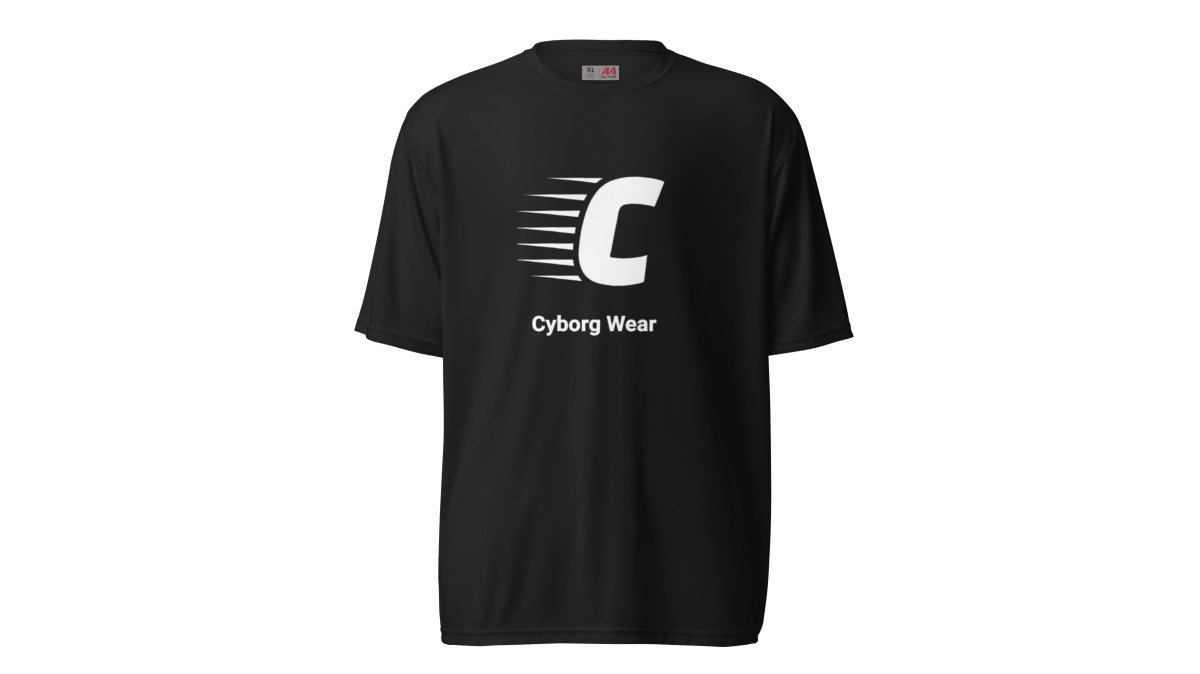
The Unisex performance crew neck t-shirt has reinforced shoulder seams.

Weather-Resistant Layers and UV Protection
Weather-resistant fabrics shed light rain while allowing sweat to escape. UPF 50+ blocks 98% of UV rays, protecting fabric from sun damage. Gear with UPF 50+ protection (like the All-over print men's rash guard and Women's Rash Guard) protects you from the sun.


How to Wash Performance Activewear to Extend Its Life
How you care for your gear after training determines whether it lasts two seasons or five. Most damage happens in the washing machine, not during use.
Wash inside out in cold water with mild detergent; avoid fabric softeners. Air dry instead of using heat, which damages elastane and causes shrinkage.
Glycol from printing may create glossy appearance on prints; washing removes it. Slight shading around prints on darker garments is temporary and washing helps mitigate it.
Gear Selection for Variable Climates and Terrain
Match fabric properties and construction to your specific environmental demands to prevent premature failure.
Framework for Climate-Based Gear Selection
Identify the primary stressor in your training environment: abrasion, moisture, temperature, or UV exposure.
Unisex performance crew neck t-shirt →
High-abrasion environments demand heavier fabrics (200+ GSM) with tight weaves and reinforced seams. Flatlock seams distribute stress evenly. Recycled polyester blends maintain structural integrity through repeated friction.
High-humidity environments demand lightweight, fast-drying fabrics (120-150 GSM) with loose weaves. Synthetic blends outperform natural fibers. Avoid layering; a single lightweight layer performs better.
Cold-weather environments demand insulation without bulk. Brushed fleece at 180 GSM provides more warmth than smooth synthetic at 220 GSM. Wind resistance matters more than water resistance. A 15-20% elastane blend maintains mobility in freezing temperatures.
Variable weather environments require layering: base layer (120-150 GSM) wicks sweat, mid-layer (150-180 GSM) insulates, outer layer (180-220 GSM) sheds weather. Avoid cotton in layering systems.
High-UV environments (high altitude, equatorial regions, snow-reflected UV) demand UPF protection built into the fabric itself, not just applied as a coating. Look for UPF 50+ ratings, which block more than 98% of UV rays. Tightly woven fabrics provide better UV protection than loose weaves; a 200+ GSM fabric with tight construction offers more protection than a 150 GSM fabric with loose weave. Darker colors provide better UV protection than light colors, though this comes with a trade-off in heat absorption. Recycled polyester fabrics often include UV-absorbing treatments; check product specifications to confirm UPF rating rather than assuming all synthetic fabrics offer equal protection.
Terrain-Specific Considerations
Trail running on rocky terrain combines high abrasion with variable weather. Prioritize a heavier fabric (200+ GSM) with reinforced seams and flatlock construction. A fitted cut prevents excess fabric from catching on branches. Reflective details matter here because trail running often happens during low-light hours; look for reflective piping or prints that increase visibility without adding weight. The fabric should be water-resistant (not waterproof) to shed light rain while allowing sweat to escape.
Climbing and bouldering demand maximum mobility and abrasion resistance. Four-way stretch fabric at 180-200 GSM balances movement freedom with durability. Reinforced seams at the shoulders and sides handle the stress of repeated reaching and pulling. Pockets or gear loops add functionality without compromising durability if they're reinforced with bar tacks (small stitched rectangles that distribute stress). Avoid loose fabric that can snag on holds or gear.
Urban training in variable weather calls for layering flexibility and weather resistance. Start with a moisture-wicking base (lightweight synthetic, 120-150 GSM) that handles sweat management. Layer with a wind-resistant mid-layer for cooler days. A water-resistant outer layer (1000MM waterproof rating or higher) handles unexpected rain without overheating you during intense effort. The advantage of urban training is that you can adjust layers as conditions change; choose pieces that pack small and transition easily.
Cold-weather running requires insulation without bulk and wind resistance. A brushed fleece interior at 180-200 GSM provides warmth while maintaining a slim fit that doesn't restrict movement. Recycled polyester construction (96% recycled polyester, 4% elastane) provides durability through repeated wear and washing. Wind-resistant outer panels on the front and sides block cold air without creating a fully windproof barrier that traps sweat. Reflective details are critical in winter because daylight hours are limited; look for reflective piping or prints that increase visibility during early-morning or evening runs.
Hot, humid training demands maximum breathability and quick-drying fabrics. Lightweight options (120-150 GSM) with mesh lining allow air circulation while the water-resistant coating sheds sweat. A relaxed fit prevents the fabric from clinging to your skin, which is uncomfortable in high humidity. Avoid heavy fabrics entirely; the extra weight becomes a liability rather than an asset when sweat won't evaporate. Consider sleeveless or minimal-coverage options if your training environment allows; maximum skin exposure accelerates evaporative cooling.
Repairability and Lifecycle Maintenance
Durability isn't just about preventing damage, it's about being able to fix what does happen. Gear that can be repaired lasts longer and costs less over time than gear you have to replace.
If a zipper breaks on the Backpack (which has reverse coil zippers), a repair shop can replace it.
Color fading is inevitable with outdoor training, but it's slowed by proper care. Washing inside out, using cold water, and avoiding direct sunlight during drying all extend the vibrancy of colors. The all-over print designs on our rash guards and athletic t-shirts maintain their visual impact longer when you follow these practices.
Elastic components (waistbands, cuffs, straps) eventually lose elasticity. For pieces like the Sports bra with its wide elastic band under the breasts, replacement is difficult once the elastic gives out.

Durable activewear for outdoor sports training isn't a luxury, it's an investment in gear that actually performs when it matters. CYBORG WEAR builds pieces designed to handle the stress of real training, from reinforced stitching that survives repeated movement to moisture-wicking fabrics that maintain their properties through dozens of wash cycles. The difference between gear that lasts and gear that doesn't comes down to material choices, construction methods, and how thoughtfully each piece is engineered.
Frequently Asked Questions
What materials make activewear most durable for outdoor sports?
Recycled polyester blended with spandex or elastane delivers durability and stretch recovery. Look for fabric weight between 6-7.5 oz per square yard for outdoor training; heavier fabrics resist abrasion and snagging. Four-way stretch construction allows movement in all directions, while OEKO-TEX or Global Recycled Standard certifications confirm durability testing. Reinforced seams, especially flatlock construction, prevent unraveling under stress.
How should I care for my durable activewear to extend its lifespan?
Wash in cold water with mild detergent and turn garments inside out to protect prints and seams. Avoid bleach and fabric softener, which break down elastic fibers. Air dry rather than machine dry to preserve stretch recovery and prevent heat damage. For moisture-wicking fabrics, wash after every 2-3 workouts to remove sweat buildup that weakens fibers. Check seams monthly for loose threads and repair immediately.
What high-performance training apparel features should I prioritize for outdoor sports?
Prioritize moisture-wicking fabric to keep skin dry during intense activity, UPF 50+ protection for sun exposure, and reinforced shoulder seams or flatlock construction to handle repetitive movement. Weather-resistant layers matter for variable conditions. Reflective details for low-light visibility add safety. Four-way stretch and ergonomic seam placement reduce chafing during extended outdoor training.
Why is fabric weight important in durable activewear for outdoor sports?
Fabric weight determines durability and performance. Medium-weight fabrics (6-7.5 oz per square yard) balance durability, stretch, and breathability, making them ideal for trail running and outdoor training. Choose based on your climate and training intensity.