 listicle
Best Athletic T-Shirts for Gym Performance: 2026 Review
Table of Contents
- Best Athletic T-Shirts for Gym Performance: Quick Comparison
- How We Evaluated These Gym Shirts
- 1. Unisex Performance Crew Neck T-Shirt: Best for High-Sweat Training
- 2. Men's Athletic T-Shirt: Best Four-Way Stretch for Lifting
- 3. Women's Athletic T-Shirt: Best Statement Piece for Gym and Beyond
- 4. Cyber Skull Graphic DryBlend® Performance Tee: Best Budget Pick
- 5. DryBlend® T-Shirt: Best for Casual Gym Days
- 6. Men's Athletic T-Shirt (Cut-Sew): Best Premium Construction
- Best Fabric for Workout Shirts
- Gym T-Shirt Fit Guide
- How to Wash Gym Clothes
- Frequently Asked Questions
Last Updated: October 7, 2026
Best Athletic T-Shirts for Gym Performance: Quick Comparison
The best athletic t-shirts for gym performance balance moisture-wicking fabric, freedom of movement, and durability that survives real training. At CYBORG WEAR, we build performance apparel for urban athletes. This guide breaks down six options, what fabric actually does, and how to pick the right fit for your training.
Below, we compare each shirt on material, fit, and best use case so you can choose in minutes instead of guessing.
| Shirt | Price | Fabric | Best For |
|---|---|---|---|
| Unisex Performance Crew Neck | $32.00 | 100% polyester, 4 oz/yd² | High-sweat training |
| Men's Athletic T-Shirt | $44.00 | 92% polyester, 8% spandex | Four-way stretch lifting |
| Women's Athletic T-Shirt | $44.00 | 92% polyester, 8% spandex | Statement gym style |
| Cyber Skull Graphic DryBlend® Tee | $22.50 | 50% cotton, 50% polyester | Budget pick |
| DryBlend® T-Shirt | $25.00 | 50% cotton, 50% polyester | Casual gym days |
| Men's Athletic T-Shirt (Cut-Sew) | $42.50 | 92% polyester, 8% spandex | Premium construction |
How We Evaluated These Gym Shirts
We judged every shirt on four criteria: fabric technology, fit and range of motion, sweat management, and long-term durability. Fit matters more than most buyers expect.

Fabric is the deciding factor. According to CottonWorks fiber technical guide, cotton absorbs moisture but dries slowly, which is why pure cotton gym tops feel heavy once you sweat.
We also weighed seam construction. Overlock and coverstitch seams resist tearing under stretch, while reinforced shoulder seams hold up to repeated pulling.
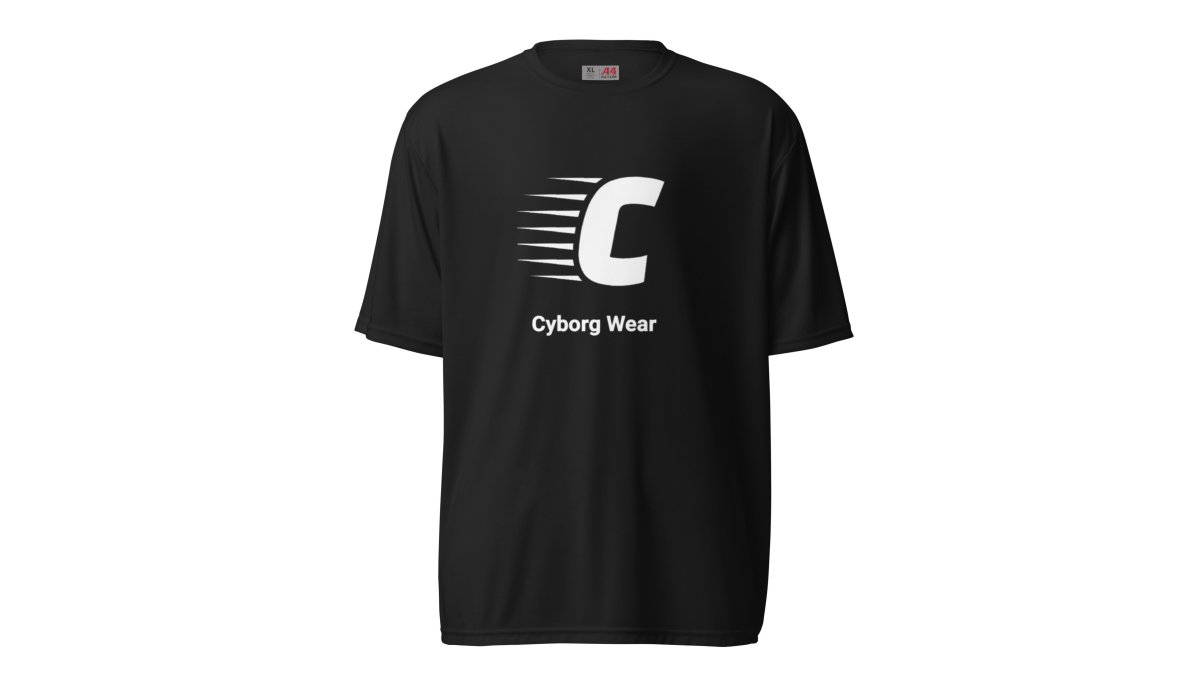
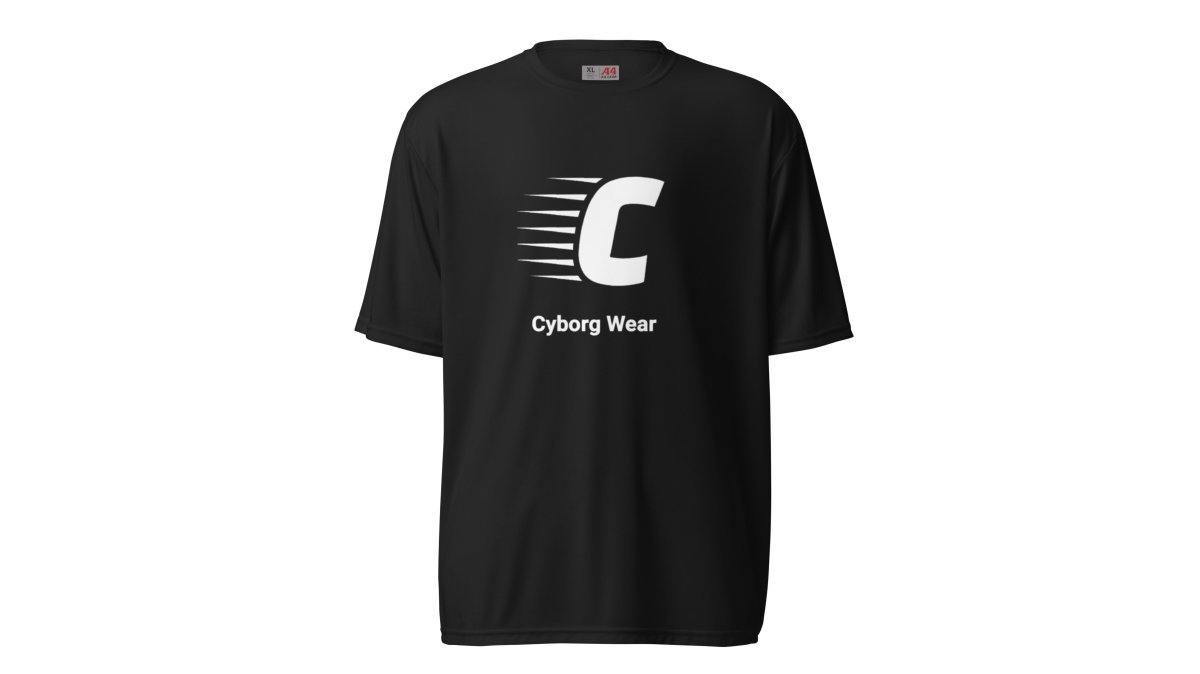
1. Unisex Performance Crew Neck T-Shirt: Best for High-Sweat Training
This is the shirt we recommend for anyone who sweats hard.

2. Men's Athletic T-Shirt: Best Four-Way Stretch for Lifting
For strength training, four-way stretch beats raw wicking. This men's athletic t-shirt uses a 92% polyester, 8% spandex sports mesh at 4.42 oz/yd², and the stretch lets the fabric move with your shoulders and chest through a full range of motion.
The overlock and coverstitch construction resists seam failure under load, and UPF 50+ protection covers outdoor sessions. It is the pick for lifters who hate a shirt that fights them on the bench.
Pros: Four-way stretch, soft mesh feel, UPF 50+. Cons: Pricier than the DryBlend® options, and the mesh fabric is thinner than a cotton blend. SHOP NOW
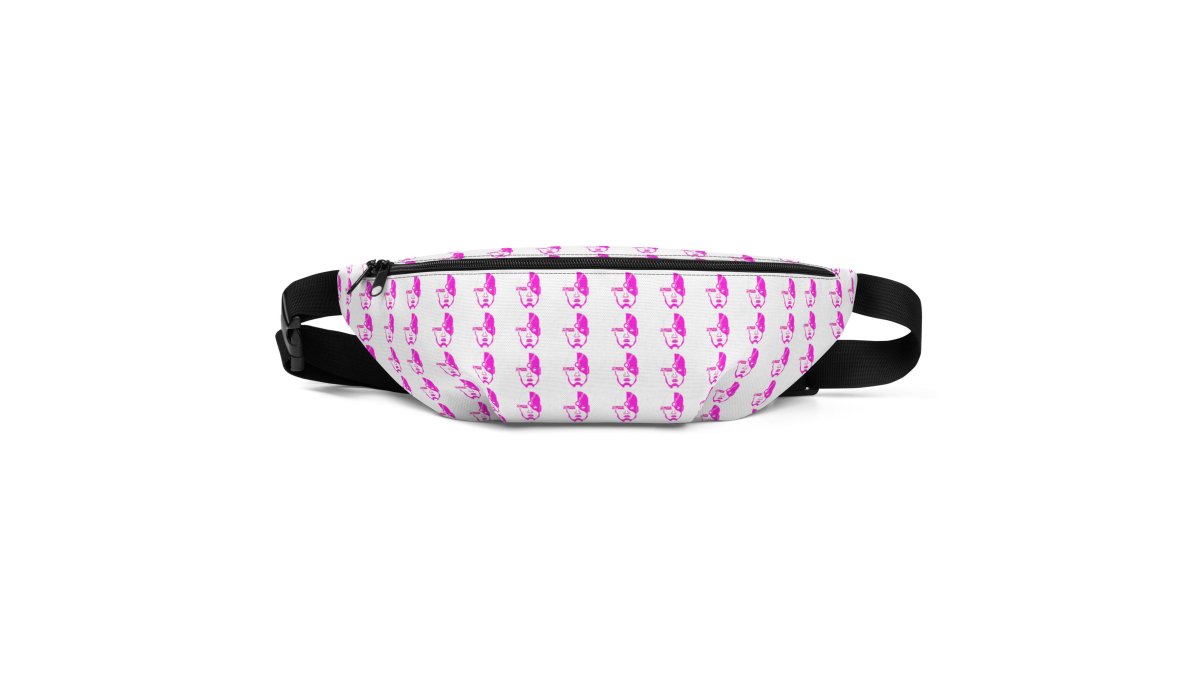
3. Women's Athletic T-Shirt: Best Statement Piece for Gym and Beyond
Comfort and style do not have to be a trade-off. This women's athletic t-shirt runs the same 92% polyester, 8% spandex sports mesh as the men's version, so moisture management and stretch match it exactly, but the all-over print turns it into a statement piece that works from a training session to a coffee run.

If you want gym wear that does not look like everyone else's plain black tee, this is the one. The four-way stretch supports cardio and lifting alike.
Pros: Same performance fabric as the men's cut, unique print, comfortable fit. Cons: The print-forward design is not for anyone who wants a plain shirt. SHOP NOW
4. Cyber Skull Graphic DryBlend® Performance Tee: Best Budget Pick
Not everyone needs to spend $44 on a gym shirt. At $22.50, the Cyber Skull Graphic tee is built on the DryBlend® moisture-management chassis, a 50% cotton, 50% polyester blend at 5.5 oz/yd² that wicks sweat while keeping the soft feel of cotton.

The tear-away label eliminates chafing at the neck, and the classic fit with taped neck and shoulders holds its shape. It is the smart buy if you rotate several shirts through the week.
Pros: Lowest price here, moisture-wicking, tear-away label. Cons: Mid-weight cotton blend dries slower than pure polyester, so it is not the best pick for the sweatiest sessions. SHOP NOW
5. DryBlend® T-Shirt: Best for Casual Gym Days
Some training days are lighter. The DryBlend® T-Shirt is the modern classic fit version of the same moisture-management fabric, a 50% cotton, 50% polyester blend at 5.5 oz/yd² that looks sharp enough to wear straight from the gym to errands.
The rib collar in classic width and taped neck and shoulders add durability, and the tear-away label keeps chafing at zero.
Pros: Versatile look, comfortable classic fit, moisture-management fabric. Cons: Cotton blend is not as quick-drying as the polyester options for hard sweat sessions. SHOP NOW
6. Men's Athletic T-Shirt (Cut-Sew): Best Premium Construction
The cut-sew version is the upgrade for buyers who want the best build. It shares the 92% polyester, 8% spandex sports mesh at 4.42 oz/yd² with the standard men's athletic t-shirt, but the cut-sew construction adds a more tailored finish.
Unisex performance crew neck t-shirt →
If you train in the same shirt most days, the premium construction is worth the extra cost. According to REI expert advice on activewear care, washing performance fabrics in cold water and air-drying extends their lifespan, which matters more on a shirt you wear constantly.
Pros: Four-way stretch, UPF 50+, tailored cut-sew finish. Cons: Highest price of the men's options. SHOP NOW
Best Fabric for Workout Shirts
Polyester and polyester blends are the best fabric for workout shirts because they wick moisture away from skin and dry quickly.
Here is how the main fabric families actually behave in a gym setting:
- 100% polyester: Fastest moisture wicking and quick-drying. The trade-off is that polyester is oleophilic, meaning it attracts and holds body oils and odor-causing bacteria more than natural fibers. That is why a polyester shirt can smell fine after one wash and funky after twenty. Look for odor-resistant finishes or silver-based treatments if you train daily.
- Polyester-spandex blends (typically 88-92% polyester, 8-12% spandex): Add four-way stretch for lifting and range of motion. Spandex improves fit recovery but degrades faster than polyester under heat, which is why hot-water washing and high-heat drying shorten the life of stretch shirts more than plain polyester ones.
- Cotton-polyester blends (like DryBlend®): Softer hand feel, moderate wicking, and better odor resistance than pure synthetic because cotton absorbs moisture and some odor compounds. The trade-off is slower drying, a 5.5 oz/yd² cotton blend holds moisture noticeably longer than a 4 oz/yd² polyester shirt, so it is a better fit for lighter sessions or casual wear.
A common pattern among frequent gym-goers is to keep two fabric types in rotation: a lightweight polyester or poly-spandex shirt for high-sweat sessions, and a cotton blend for lighter days or post-workout wear.
On sustainability: polyester is petroleum-derived and sheds microplastics during washing, while cotton uses significant water to grow.
Gym T-Shirt Fit Guide
The right gym t-shirt fit lets you move without the fabric bunching or riding up. Here is how to actually choose, including fit guidance across body types and workout types.
The three fit types, and who they suit:
- Relaxed fit: Roomy through the chest, shoulders, and torso. Best for high-sweat cardio, layering, and anyone who dislikes fabric clinging during movement. If you have a broader chest or shoulders relative to your waist, relaxed cuts often fit better than athletic cuts that assume a tapered torso.
- Athletic (or tapered) fit: Fitted through the chest and shoulders, narrower at the waist. Good for general training and lifters who want the shirt to stay put during overhead work. If you carry weight in your midsection, an athletic cut can pull across the stomach, size up or choose relaxed.
- Compression fit: Snug against the skin, supports blood flow and reduces muscle vibration during high-intensity work. Best for short, intense efforts or as a base layer. Not ideal for all-day wear or for anyone who finds tight fabric distracting.
Match fit to workout type:
- Strength training and lifting: Prioritize shoulder and chest range of motion. A shirt that binds across the back limits your reach on overhead presses and pull-ups. Athletic or relaxed fit with four-way stretch works best.
- Running and cardio: Prioritize lightweight fabric and a fit that does not ride up. A slightly relaxed cut with a shorter hem reduces chafing and bounce.
- High-intensity intervals and circuit training: Prioritize stretch and sweat management. Compression or athletic fit keeps fabric from catching on equipment during fast transitions.
Fit guidance across body types:
- Tall frames: Look for longer torso lengths or tall sizing; standard tees often expose the midriff during overhead lifts.
- Broad shoulders or muscular builds: Size to your chest and shoulder measurement, not your waist. A shirt that fits the waist but pulls at the shoulders will restrict movement.
- Smaller frames: Athletic or slim cuts avoid the boxy look of a relaxed tee sized to your shoulders.
Quick measurement check: Lay a shirt you already like flat and measure pit-to-pit and shoulder-to-hem. Compare those numbers to the size chart before buying, chest width and body length matter more than the labeled size, which varies by brand.
How to Wash Gym Clothes
Wash gym clothes in cold water and air-dry them to protect the fabric and control odor. Hot water breaks down stretch fibers and sets in sweat odor over time.
- Turn printed shirts inside out before washing to protect the design.
- Skip fabric softener, which coats performance fabric and blocks moisture wicking.
- Air-dry when possible; if you use a dryer, choose low heat.
Following these steps keeps prints vibrant and fabric stretch intact far longer than a hot wash and high-heat dry.
Frequently Asked Questions
What fabric is best for gym t-shirts?
Polyester and polyester blends win for intense training because they wick sweat away from your skin and dry fast. A 92% polyester, 8% spandex blend like the CYBORG WEAR men's athletic t-shirt adds four-way stretch for lifting. Cotton-poly blends such as DryBlend (50% cotton, 50% polyester) work for lighter sessions and casual wear but hold moisture longer. Choose 100% polyester for high-sweat cardio and blended fabrics for low-intensity days.
How should a gym t-shirt fit?
A gym t-shirt should sit close to your body without restricting movement. You want enough room to raise your arms overhead and rotate your torso freely. Relaxed fits work well for cardio and layering, while athletic or compression fits suit lifting and high-intensity intervals. Check that shoulder seams land at the edge of your shoulders and the hem stays put when you reach overhead. If the fabric bunches under your arms, size up.
How do I keep athletic t-shirts from smelling?
Wash gym shirts after every wear, and don't let them sit damp in a bag. Turn them inside out, use cold water, and skip fabric softener because it coats fibers and traps odor. Look for shirts with odor-resistant fabric like the CYBORG WEAR unisex performance crew neck t-shirt. Hang to dry when possible; heat can set odors into synthetic fibers. For stubborn smells, soak in a vinegar-water mix before a regular wash cycle.
How often should I replace workout shirts?
Replace gym shirts when the fabric loses its stretch, develops permanent odor even after washing, or shows thinning and pilling. Most quality performance shirts last one to two years with regular use if you wash them correctly. Shirts with reinforced seams and fade-resistant fabric, like the CYBORG WEAR unisex performance crew neck, hold up longer. If a shirt stays damp through an entire workout or feels rough against your skin, it's time to swap it out.
Are moisture-wicking shirts good for workouts?
Yes. Moisture-wicking fabrics pull sweat to the surface where it evaporates quickly, keeping you drier and cooler than cotton. This matters most during high-intensity training, running, and cardio where sweat output is high. Shirts with UPF protection, like the CYBORG WEAR men's athletic t-shirt with UPF 50+, also shield your skin during outdoor sessions.
Finding a gym shirt that wicks sweat, moves with you, and survives five sessions a week is harder than it should be. CYBORG WEAR builds performance apparel for exactly that: moisture-wicking fabrics, four-way stretch, and reinforced construction across our crew necks, athletic t-shirts, and DryBlend® options. Get started with CYBORG WEAR and train in gear that keeps up.