 how-to
Can You Design Custom Textiles for Athletic Apparel?
Last Updated: November 6, 2026
Quick Summary
Custom textile design for athletic apparel turns a team's colors, logos and graphics into performance fabric through five steps: choosing the fabric, building a tech pack, creating a seamless pattern, preparing print files and approving a sample. Planning the full workflow before ordering helps avoid costly mismatches in color, fit and print quality.
- Choose fabric first, since fiber content, knit structure and weight set the garment's performance.
- Polyester moves liquid sweat away from the skin and dries quickly for training.
- Lightweight knits of 3.5 to 4.5 oz/yd² suit high-intensity training where heat buildup matters.
- Prepare print files at 300 dpi at final print size for sublimation prints.
- Order a sample and wash it several times before approving full production.
Table of Contents
- How Custom Textile Design for Athletic Apparel Works
- Step 1: Choose the Right Performance Fabric
- Step 2: Build the Athletic Apparel Tech Pack
- Step 3: Create a Seamless Pattern Design for Activewear
- Step 4: Prepare Print Files and Pick a Printing Method
- Step 5: Test Samples Before Full Production
- Working With Custom Athletic Apparel Manufacturers
- Start Your First Custom Textile Order With CYBORG WEAR
- Frequently Asked Questions
How Custom Textile Design for Athletic Apparel Works
Custom textile design for athletic apparel turns a team's colors, logos and graphics into fabric that performs on the court, track or gym floor.
The process has five steps, and each one builds on the last. Skipping a step usually shows up later as a color mismatch, a stretched print or a garment that does not move the way the athlete needs.
Most of the work happens before any fabric is cut. Clear decisions about the fabric, the garment specifications and the artwork save time and money at every later stage. The sections below walk through each step in order.
Step 1: Choose the Right Performance Fabric
Start with the fabric, because every other decision depends on it. Moisture management, stretch, weight and durability all come from the fabric itself, and a print cannot fix a fabric that does not suit the activity. Most sourcing problems trace back to a fabric chosen for looks rather than for how the garment will be worn.
Read Fiber Content First
Fiber content sets the ceiling on performance. Polyester moves liquid sweat away from the skin, where it can evaporate. Nylon is stronger and more abrasion-resistant but absorbs more moisture and dries more slowly. Spandex (elastane) supplies stretch and recovery, usually at 5 to 20 percent of the blend.
A common pattern is a polyester-spandex blend for training tops and a heavier polyester or polyester-nylon blend for contact sports. Ask for the exact percentages in writing, because "poly blend" tells you nothing about how the fabric will behave.
Understand Knit Structure and Weight
Knit structure controls stretch direction and breathability. A single jersey knit stretches mainly across the width and is light and breathable. A double knit is denser and more stable, which suits structured panels.
Weight is usually quoted in ounces per square yard (oz/yd²) or grams per square meter (g/m²). Lightweight knits around 3.5 to 4.5 oz/yd² (120 to 150 g/m²) suit high-intensity training where heat buildup matters.
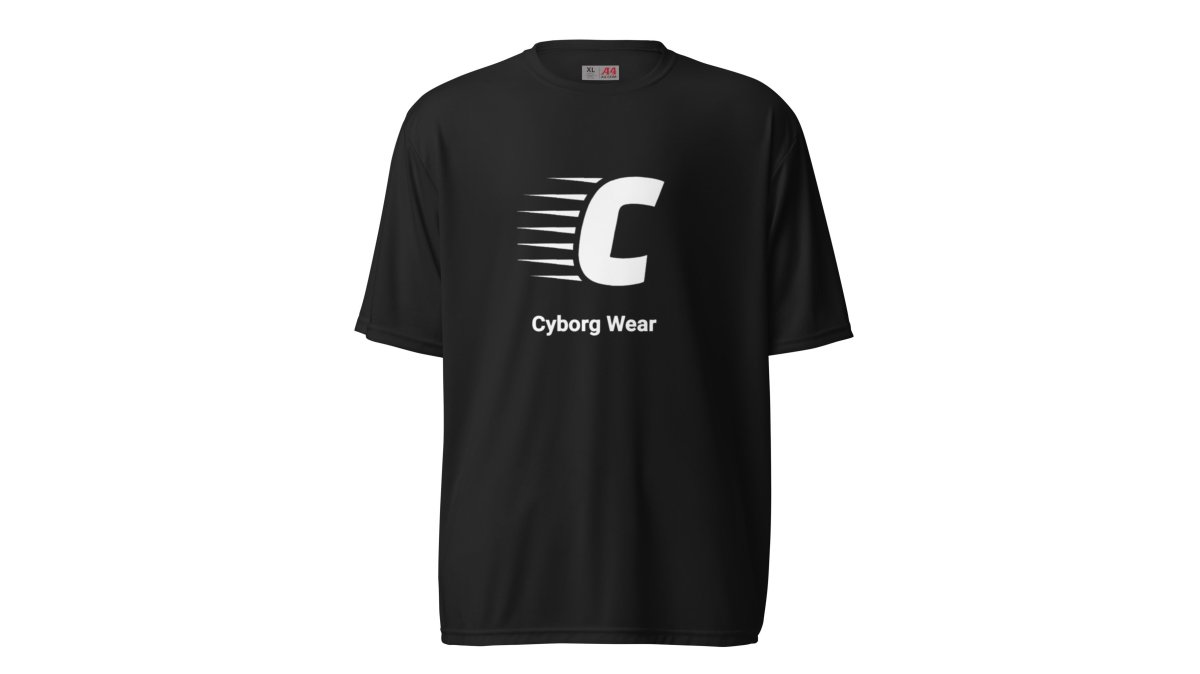
Our Unisex performance crew neck t-shirt is made from 100% premium polyester at 4 oz/yd² (68 g/m²), with a moisture-wicking finish, fade and snag resistance and UPF44+ protection. For a heavier build, the Premium basketball jersey is made from 100% polyester at 7.2 oz/yd² (245 g/m²) with heavy ribbing at the collar and armholes.

If you want a sustainable base, the Recycled unisex sports jersey is made from 100% recycled polyester at 4.7 oz/yd² (160 g/m²) with two-way stretch. For a deeper look at why moisture-wicking jerseys suit high-intensity use, read why performance jerseys matter for high-intensity training.

Match Stretch, Recovery and Hand Feel to the Sport
Stretch comes from the knit and from spandex content. Two-way stretch moves in one direction; four-way stretch moves in both and recovers better, which matters for garments that flex at the shoulder and hip. Test recovery by stretching a swatch and watching whether it returns to shape.
Hand feel is the trade-off nobody warns you about. Brushed or peached finishes feel softer but can pill under abrasion. Smooth, tightly knit surfaces print more cleanly and resist snags. If the design relies on fine detail, a smoother face gives a sharper print.
Check Durability and Finishes
Durability comes from fiber strength, knit density and any applied finish.
Research on multifunctional textiles supports this approach. A 2025 review describes design work at the fiber, yarn and fabric levels aimed at supporting prolonged athletic performance without compromising garment function (review of functional smart and wearable textiles).
Watch out: a fabric that feels great in the showroom can fail after ten washes if the finish is surface-applied rather than engineered into the yarn. Always test a laundered swatch, not just a fresh one.
The article's fabric guidance comes down to a few measurable properties worth comparing at a glance.
| Fabric property | Typical range or example | Why it matters |
|---|---|---|
| Polyester | Moves liquid sweat away from skin | Dries quickly for training |
| Nylon | Stronger, more abrasion-resistant | Absorbs more moisture, dries slower |
| Spandex (elastane) | Usually 5 to 20 percent of blend | Supplies stretch and recovery |
| Cotton | Soft feel | Holds moisture, dries slowly |
| Lightweight knit | 3.5 to 4.5 oz/yd² (120 to 150 g/m²) | Suits high-intensity training |
| Midweight fabric | 5 to 6.5 oz/yd² (170 to 220 g/m²) | Balances durability and breathability |
| Heavyweight fabric | Above 7 oz/yd² (235 g/m²) | Suits contact sports and structured jerseys |
Step 2: Build the Athletic Apparel Tech Pack
A tech pack is the document that tells a manufacturer exactly what to make. It covers measurements, materials, stitching and every print placement.
A solid tech pack includes the garment style and fit, a full size chart with measurements in centimeters, the fabric name and weight, the stitching and seam details, and the placement and size of every print or logo.
Size charts deserve particular attention. The Premium basketball jersey size guide, for example, lists chest, waist and hip measurements in centimeters from 2XS upward, so the manufacturer and the buyer work from the same numbers.
Step 3: Create a Seamless Pattern Design for Activewear
A seamless pattern repeats without visible breaks when the fabric is laid out flat or wrapped around the body. For activewear, this matters because seams sit at the shoulders, sides and sleeves, and a misaligned motif looks unfinished the moment the athlete moves.
Design the pattern as a repeating tile, then test how the tile joins to itself at every edge. Check the join on the sleeves and along the side seams, since those areas stretch most during movement.
Repeat Patterns and Color Management
Keep the color palette limited. Each additional color adds a separate print pass or thread change, which raises cost and the chance of misregistration. For most team projects, three to five colors cover the design well.
Unisex performance crew neck t-shirt →
Color management also depends on the fabric. Polyester takes dye and sublimation inks differently than blended fabrics, so the color you see on a screen will not match the printed result exactly. Request a physical swatch on the actual fabric before approving the color.
Step 4: Prepare Print Files and Pick a Printing Method
Print files need to match the printing method, and the method needs to match the design and the fabric. Getting this step right is what separates a clean production run from a batch of garments with soft edges, shifted colors or a pattern that breaks at the seams.
Match the File Type to the Method
Vector files such as SVG, AI or EPS suit screen printing and embroidery digitization because they scale cleanly to any size without losing edge quality. Sublimation and all-over printing work best with high-resolution raster files prepared at the final print size, typically 300 dpi at 1:1 scale. A file that looks sharp on a monitor can still be too low-resolution once it is stretched across a full garment panel.
Set Resolution, Color Profile and Bleed
Resolution is measured at final output size, not at screen size.
Color profile matters because screens and printers interpret color differently. Prepare artwork in a standard print-oriented profile and expect the printed result to differ from the on-screen preview, especially on polyester, which takes sublimation inks differently than blended fabrics.
Bleed is the extra image area beyond the cut line. Add a bleed margin around every panel so small shifts in cutting or sewing do not leave a white edge.
Scale the Repeat and Check the Seams
For all-over and seamless patterns, the repeat scale determines how the motif reads on the body. A small repeat looks busy on a large panel; a large repeat can lose its effect on narrow panels like sleeves. Set the tile size, then check how the tile joins at every edge and how it lands across the shoulder, side seam and sleeve.
Watch out: a pattern that looks perfect flat can break visibly at the side seam once the garment is sewn. Print a test panel and check the join before approving the repeat.
Choose the Printing Method
Sublimation suits full-coverage designs on polyester. Screen printing and embroidery are other methods the industry uses for solid colors and logos, but this shop's verified print methods are not listed here, so confirm the options available for your order.
A designer reviewing a printed all-over pattern swatch next to a laptop with the print file open is a useful checkpoint before production starts. Confirm the file dimensions, color profile and bleed area first.
Run a Test Swatch
Before committing to a full run, print a test swatch on the actual fabric in the actual method. Check edge sharpness, color accuracy against your approved reference, and how the print behaves when the fabric stretches. This single step catches most file-preparation errors while they are still cheap to fix.
Step 5: Test Samples Before Full Production
Order a sample before committing to a full run.
Test the sample the way the garment will be used. Stretch it, wear it through a training session and wash it several times. Washing is the test most designs fail, since prints can crack or fade and bright colors can shift.
Record every change in writing and approve a final sample before production begins. A signed-off sample is the reference the factory should match on the full order.
Working With Custom Athletic Apparel Manufacturers
Custom athletic apparel manufacturers differ in their minimum order quantities, turnaround times and the printing methods they offer.
Pricing depends on garment choice, print method, color count and order size.
Ask about the materials as well. Confirm the fabric composition, weight and any certifications in writing. The Premium basketball jersey, for example, is made from 100% polyester at 7.2 oz/yd² (245 g/m²).
Be sure to confirm sizing with the manufacturer. Fit varies between factories, so a size chart that works for one supplier may not match another's cut.
Start Your First Custom Textile Order With CYBORG WEAR
Custom textile design for athletic apparel works best when fabric, tech pack, pattern, print file and sampling are planned in sequence. Start with the performance fabric, build a complete tech pack, design a seamless pattern, prepare clean print files and approve a sample before full production.
When you are ready to order, browse our Unisex performance crew neck t-shirt, Premium basketball jersey and Recycled unisex sports jersey as base garments for your custom print.

Frequently Asked Questions
How do you create a custom textile design for athletic apparel?
Start with the garment's fabric and fit, then build artwork at the final print size. Sketch the layout on the actual pattern pieces so seams and panels are considered. Create a repeat that tiles cleanly, set colors in a defined palette, and export a high-resolution file.
What fabrics work best for custom athletic apparel?
Polyester blends are the most common choice for custom athletic apparel because they wick moisture, dry quickly and hold prints well. Look at fabric weight, measured in ounces per square yard, to balance breathability and durability. A lightweight knit suits running tops, while a heavier mesh suits basketball jerseys. Confirm the stretch direction and recovery before you finalize the print layout, since stretch changes how a pattern looks on the body.
What should I include in an athletic apparel tech pack?
A tech pack should include flat sketches of front and back, the fabric and fiber content, the fabric weight, the construction details such as seam type and stitching, and the print or artwork placement with dimensions. Add a size chart in centimeters and inches, color references and trim specifications. A clear tech pack lets a manufacturer quote accurately and reduces back-and-forth before the first sample is made.
How do I choose a printing method for custom sportswear fabric?
Sublimation works well for full-coverage designs on polyester because the dye bonds with the fabric and does not crack. Ask your manufacturer to test wash and colorfastness on a sample of each method you are considering, and compare the feel and durability before choosing one for the whole order.