 ultimate-guide
Why Wear Performance Jerseys for High-Intensity Training
Last Updated: November 5, 2026
Quick Summary
Performance jerseys are athletic tops made from synthetic or recycled polyester that pull moisture away from the body, dry quickly, and stretch with movement. Unlike cotton, which holds sweat against your skin and slows cooling, they keep you drier and lighter during hard training.
- Cotton absorbs moisture and holds it against your skin, which slows evaporative heat loss during intense exercise.
- Moisture-wicking shirts use capillary action to move sweat to the outer surface where it evaporates faster.
- Choose a polyester-based knit, often blended with spandex, for high-intensity workouts.
- Compression may improve comfort and perceived stability, but evidence for strength or endurance gains is mixed.
- Wash jerseys cold without fabric softener and air dry to preserve wicking and stretch.
Table of Contents
- What Performance Jerseys Do That Cotton Can't
- How Moisture-Wicking Training Shirts Handle Sweat
- The Best Fabric for High-Intensity Workouts
- How Should a Workout Shirt Fit for Lifting and HIIT
- Compression, Loose Fits, and What the Evidence Supports
- How to Wash Performance Jerseys So They Last
- Pick Your Jersey by Training Intensity and Environment
- Shop CYBORG WEAR Jerseys Built for Hard Sessions
- Frequently Asked Questions
What Performance Jerseys Do That Cotton Can't
A 2022 review of sports clothing research found that fabric choice, surface treatments, and garment design all influence how efficiently sweat evaporates and how comfortable you stay under exertion, according to the thermoregulation review indexed by PubMed Central. That's the short answer to why wear performance jerseys for high-intensity training: they're built to move sweat off your skin, and cotton isn't.
Performance jerseys are athletic tops engineered from synthetic or recycled polyester fabrics that pull moisture away from the body, dry quickly, and stretch with movement during hard training. The difference between one of these and a cotton tee shows up in the first ten minutes of a session.
The Sweat Problem Cotton Creates
Cotton absorbs moisture and holds it against your skin. Once saturated, it gets heavy, clings, and slows evaporative heat loss, which is the body's main cooling mechanism during intense exercise. A wet cotton shirt also rubs, and friction plus moisture is how chafing starts. Performance fabric moves that moisture to the surface instead, where airflow can dry it.
Where Jerseys Stop and Marketing Starts
Not every claim on a jersey tag holds up. "Sweat-activated cooling" and "energy-return fabric" are marketing language, not physics. What a jersey can realistically do: manage moisture, support airflow, stretch with your range of motion, resist odor, and hold up to repeated washing. Judge a jersey on those, not on slogans.
How Moisture-Wicking Training Shirts Handle Sweat
Moisture-wicking training shirts work by capillary action: thin synthetic fibers pull liquid sweat from the skin side of the fabric to the outer surface, where it spreads thin and evaporates faster. The result is a shirt that feels drier and stays lighter than cotton mid-session.
The sports clothing thermoregulation review notes that fabric structure and design choices affect sweat evaporation and thermal comfort, which is why knit and weave matter as much as fiber content. Our recycled unisex sports jersey uses 100% recycled polyester at 4.7 oz/yd² with two-way stretch and UPF50+ protection.
The Best Fabric for High-Intensity Workouts
The best fabric for high-intensity workouts is a polyester-based performance knit, often blended with a small amount of spandex or elastane for stretch. Polyester wicks and dries fast; the stretch component lets the fabric follow explosive movements without binding.
Look for:
- Polyester or recycled polyester as the base fiber
- Four-way stretch for lifting, HIIT, and rotational work
- Lightweight fabric that doesn't hold water
- Reinforced seams at shoulders and stress points
Our men's athletic t-shirt is 92% polyester and 8% spandex with four-way stretch sports mesh and UPF 50+ protection.

How Should a Workout Shirt Fit for Lifting and HIIT
A workout shirt should fit close enough to stay out of the way but loose enough to let air move. Snug through the shoulders and chest, roomy through the midsection, and never so tight that it restricts overhead reaches or deep squats.
Loose-fitting clothing may improve heat dissipation in moderate heat, so fit isn't a style question alone. For lifting, prioritize shoulder mobility and seam placement; for HIIT, prioritize a hem that stays put. Our unisex performance crew neck t-shirt has a relaxed fit and reinforced shoulder seams.
Compression, Loose Fits, and What the Evidence Supports
Compression is the most oversold feature in training apparel, and the most misunderstood. The honest position is that compression garments can feel supportive and may improve comfort and perceived stability, but the evidence for measurable strength, speed, or endurance gains is mixed at best. A balanced read of the research separates what compression reliably does from what marketing claims it does.
Unisex performance crew neck t-shirt →
What Compression Actually Does
Compression works through graduated pressure, which can help reduce muscle oscillation during repetitive impact and may improve proprioception. Claims that compression makes you stronger or returns energy to your muscles are not reliably supported.
Tight Versus Loose: A Jersey-Specific Decision
For jerseys specifically, the fit question is less about compression level and more about fabric behavior during movement. A snug jersey reduces fabric flap and chafe during rotational work, but it also traps heat. A loose jersey improves airflow and heat dissipation in moderate conditions but can catch on equipment or bunch under a barbell.
| Fit | Best For | Trade-Off |
|---|---|---|
| Snug / compression-style | Lifting, sprint intervals, layering under a warm-up | Less airflow, warmer in heat |
| Relaxed | HIIT circuits, hot outdoor sessions, team sports | More fabric movement, potential chafe at seams |
| Regular | General training, court sports | Compromise on both airflow and fabric control |
Watch out: a jersey sold as "compression" that stretches easily under load is not applying meaningful pressure, check that the fabric snaps back and the seams are flat-locked, or you are paying for a label rather than a mechanism.
How to Choose Without Overpaying for Claims
Pick based on your session and climate, not the label. Indoor lifting in a cool gym favors a snug, stretchy top with reinforced seams. Hot outdoor conditioning favors lighter, looser fabric with sun protection and fast drying. If you want compression for recovery, that is a separate garment decision from your training jersey. For training itself, prioritize fit, seam placement, and fabric weight over compression claims, those are the variables that reliably affect comfort and range of motion.
How to Wash Performance Jerseys So They Last
Performance jerseys can lose wicking performance and hold odor over time. Both can be limited by how you wash and dry them.
Why Softener and High Heat Kill Wicking
Moisture-wicking fabric relies on a clean fiber surface for capillary action. Fabric softener and high heat can reduce a jersey's wicking and stretch over time, so cold washing and air drying are the safer choices.
- Cold water, gentle cycle: protects stretch fibers and prints
- No fabric softener or dryer sheets: preserves the wicking surface
- Inside out for prints: reduces abrasion on graphics and logos
- Air dry or low heat: heat is the main enemy of stretch and wicking
- Wash after every hard session: odor control starts with not letting sweat sit
Odor Control: Why Synthetics Hold Smell
Synthetic fabrics can hold body oils and odor over time. The fix is to wash promptly after training, avoid leaving a damp jersey in a gym bag, and use a detergent formulated for synthetic athletic wear rather than a heavy scented detergent that masks odor without removing the source.
Long-Term Fabric Performance
The practical test: after washing, the jersey should feel dry to the touch within minutes of a light sweat and should snap back when stretched at the hem. If it stays damp or stays stretched, the fabric has degraded. Treat care as part of the performance equation, not an afterthought.
Pick Your Jersey by Training Intensity and Environment
Match the jersey to the session. Indoor lifting favors a snug, stretchy top with reinforced seams. Hot outdoor conditioning favors lighter, looser fabric with sun protection and fast drying. Our recycled unisex sports jersey is built for heat and sweat with breathable recycled polyester and a double-layered v-neck collar.

| Session Type | Fabric Priority | Fit | Key Feature |
|---|---|---|---|
| Indoor lifting | Polyester-spandex blend | Snug, stretchy | Four-way stretch, reinforced seams |
| HIIT circuits | Lightweight wicking knit | Relaxed | Fast dry, secure hem |
| Hot outdoor training | Breathable recycled polyester | Loose | UPF protection, airflow |
| Team or court sports | Durable wicking jersey | Regular | Abrasion resistance, collar structure |
Shop CYBORG WEAR Jerseys Built for Hard Sessions
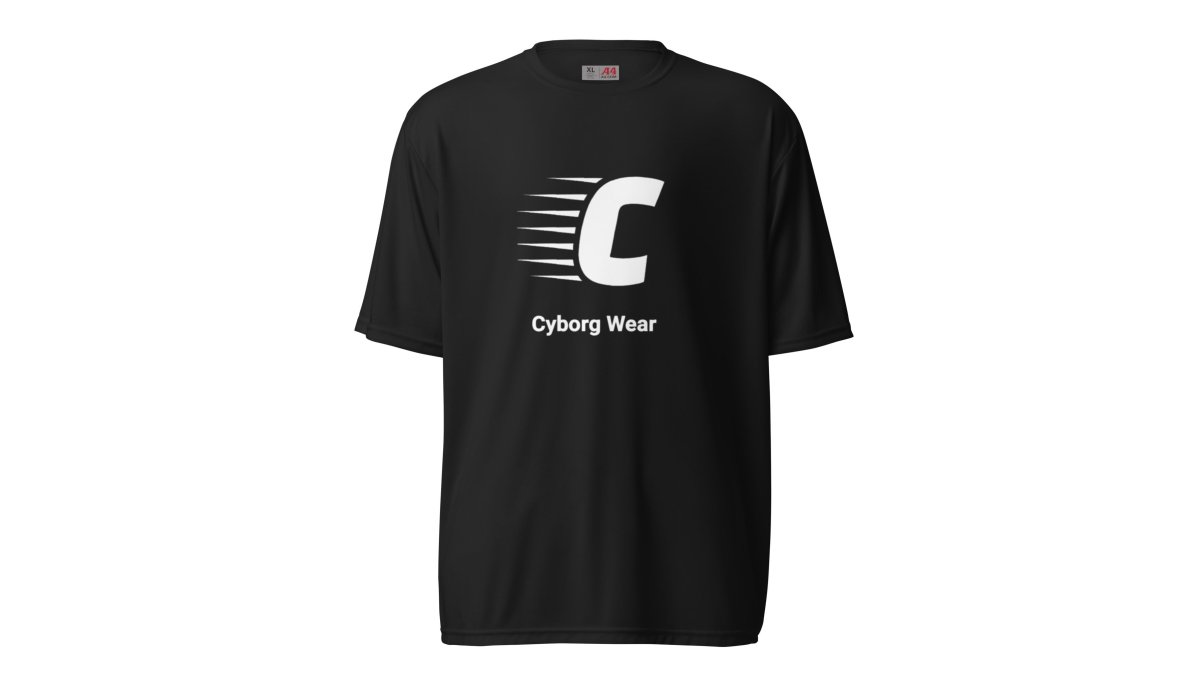
Our performance crew neck t-shirt pairs moisture-wicking fabric with odor resistance, stain release, and UPF44+ protection, and our recycled unisex sports jersey adds two-way stretch and UPF50+ protection. Get started with CYBORG WEAR and train in gear that keeps up with every rep.

Frequently Asked Questions
Is it good to wear compression clothes while working out?
Compression can feel supportive during training, but it is not a performance enhancer for everyone. Fit and conditions matter, and loose-fitting clothing may improve heat dissipation in moderate heat. For high-intensity training in warm gyms, a regular or relaxed fit performance jersey often feels better than tight compression. Try both across a few sessions and keep what lets you move without restriction.
What should I wear to a HIIT class?
Choose a moisture-wicking performance jersey with a relaxed or regular fit, plus shorts or pants that stay put through jumps and lunges. Look for lightweight polyester blends with two-way or four-way stretch, reinforced seams, and odor resistance. Avoid heavy cotton, which holds sweat and clings. CYBORG WEAR's recycled unisex sports jersey ($44.00) uses 100% recycled polyester with two-way stretch and UPF50+ protection.
Should a training jersey fit loosely or snugly?
It depends on the session. A relaxed fit gives airflow and freedom of movement for HIIT, conditioning, and hot gyms. A closer fit reduces fabric drag during lifting and works well under a hoodie. The jersey should never restrict overhead reach or dig into the shoulders. Check that you can raise both arms fully and squat deep without the hem riding up. CYBORG WEAR's unisex performance crew neck t-shirt ($32.00) has a relaxed fit and reinforced shoulder seams, while the men's and women's athletic t-shirts ($44.00) offer a comfortable fit with four-way stretch.
How do moisture-wicking jerseys help during exercise?
Moisture-wicking training shirts pull sweat away from the skin and spread it across the fabric surface, where it evaporates faster. That supports evaporative heat loss and thermal comfort during intense exercise. Fabric, surface treatments, and design can support sweat evaporation. The practical result is less clinging, less chafing, and a jersey that dries faster between sets. Pair wicking fabric with a fit that allows airflow for the best result.